A History of the Victory Garden
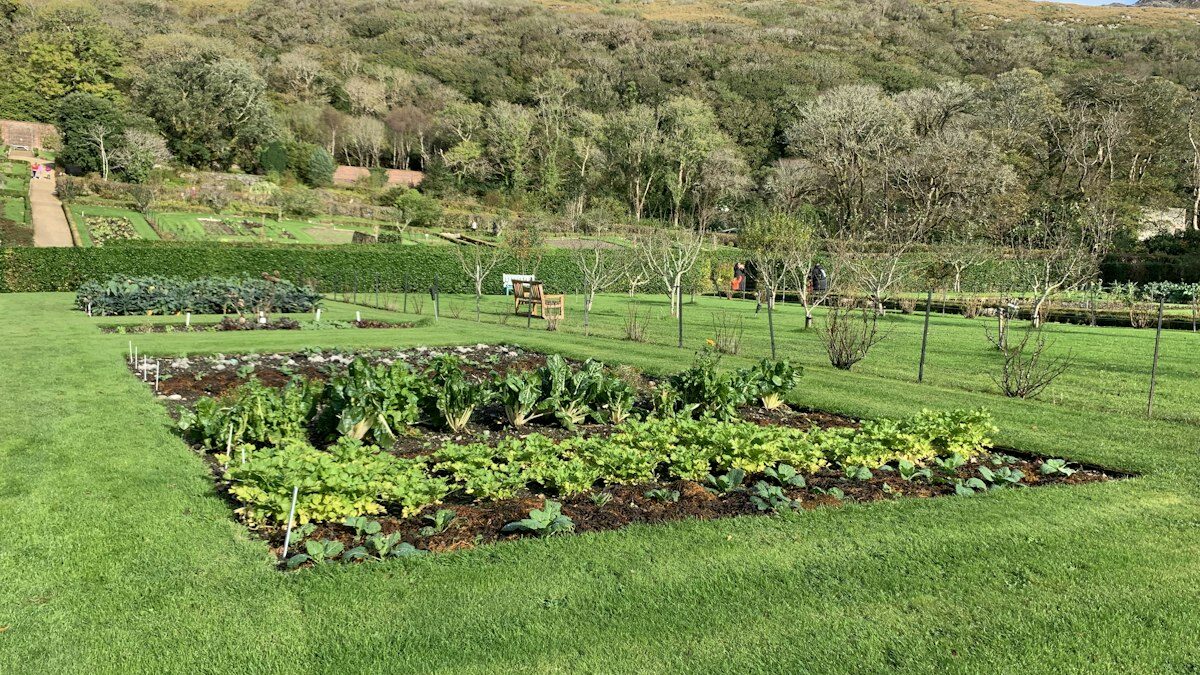
By 1944, an estimated 20 million victory gardens in the United States were producing something close to 40% of the country's fresh vegetables. That number is worth sitting with for a second: a movement built on front lawns, vacant lots, and rooftops, with no professional infrastructure behind it, was outproducing a huge share of commercial agriculture for a specific, narrow category of food. It didn't happen by accident, and it didn't happen quickly. It was the product of two wars, a surprisingly aggressive propaganda apparatus, and a genuine shift in what ordinary households believed they were capable of growing.
Before "victory": the war garden
The idea didn't start in World War II. During World War I, the National War Garden Commission — a private organization, not a government agency, though it worked hand in glove with federal messaging — launched a campaign urging Americans to plant "war gardens" to free up commercial food production for troops overseas and allied nations. The commission's posters, many drawn by well-known illustrators of the day, leaned hard on patriotic imagery: a garden hoe next to a rifle, vegetables arranged like ammunition. It worked well enough that by 1918, war gardens were estimated to have produced around $520 million worth of food, a genuinely enormous sum for the era. When the war ended, the movement quietly wound down along with most wartime civilian programs.
Why World War II went bigger
When the United States entered World War II, the government revived the idea almost immediately, but with a more coordinated push than the WWI version had. The U.S. Department of Agriculture rebranded the effort "victory gardens" and worked directly with county extension offices — the same local agricultural offices that still exist today, now mostly known for soil testing and 4-H — to distribute seed, printed planting guides, and canning instructions. Eleanor Roosevelt planted a victory garden on the White House lawn in 1943, over the Department of Agriculture's initial objections that it would suggest commercial farms weren't meeting demand. The symbolism mattered more than the objection, and the planting got national newspaper coverage.
Food rationing made the campaign more than just patriotic theater. Canned goods, sugar, and many fresh vegetables were rationed starting in 1942, and a home garden was one of the few ways a family could meaningfully increase their food supply without ration stamps. That practical incentive, stacked on top of the patriotic messaging, is probably the real reason participation reached the scale it did.
What a ration-era garden kit actually looked like
There was no single "victory garden kit" sold in stores the way a raised bed kit is sold today, but county extension offices and seed companies converged on a fairly standard starter bundle for new gardeners who'd never grown food before:
- A government-printed planting guide, usually a single folded sheet with a planting-by-region chart on one side.
- A small assortment of seed packets — beans, carrots, lettuce, and tomatoes were the most commonly distributed, chosen for being forgiving to first-time growers.
- A hand trowel and a hoe, often the only two tools a household owned for the entire project.
- A canning guide, since a successful harvest with no refrigeration plan was considered half a failure.
Extension offices ran garden clinics, and newspapers ran weekly columns answering reader questions — the 1943 equivalent, more or less, of a forum thread.
The 1943 planting-by-zone chart
The USDA's wartime planting guides divided the country into broad regions rather than the fine-grained hardiness zones gardeners use today (the modern USDA Hardiness Zone Map wasn't standardized until 1960). A simplified version of the guidance looked roughly like this:
| Region | Recommended start | Priority crops |
|---|---|---|
| Northern states | Mid-to-late May | Potatoes, cabbage, beans |
| Central states | Early-to-mid April | Tomatoes, corn, beans |
| Southern states | February–March | Sweet potatoes, tomatoes, greens |
| Pacific coast | Varied by elevation | Mixed, extension-office guidance |
Potatoes and cabbage were pushed hard nationally because they stored well without canning or refrigeration — a practical concession to the fact that most households didn't yet own a home freezer.
What happened after the war
Victory garden participation collapsed almost immediately after V-J Day in 1945. Rationing ended, commercial agriculture ramped back up, and the cultural momentum that had made gardening feel like a civic duty evaporated along with the wartime urgency. Suburban development through the 1950s replaced a lot of the vacant lots and community plots that had hosted victory gardens, and home food gardening settled back into being a hobby rather than a movement, mostly practiced by people who'd grown up doing it or who had rural roots.
The echo, eight decades later
The closest thing to a victory garden moment since 1945 arrived, unplanned, in 2020: seed companies reported order volumes that outpaced their fulfillment systems, extension offices fielded a wave of first-time-gardener questions eerily similar to 1943's garden clinics, and "pandemic garden" briefly became shorthand the way "victory garden" once was. Raised beds, in particular, became the default format for a lot of that new gardening, for reasons that would have made total sense to a 1943 extension agent: they're approachable for someone who's never gardened before, they don't require tilling a whole yard, and they fail more gracefully than an in-ground plot does for a first-timer. The civic urgency is gone, but the basic appeal — food security you can see from your own window — turned out to be durable across eighty years and two completely different kinds of crisis.