Filling a 4x8 Raised Bed: Exactly What to Buy and What It Costs
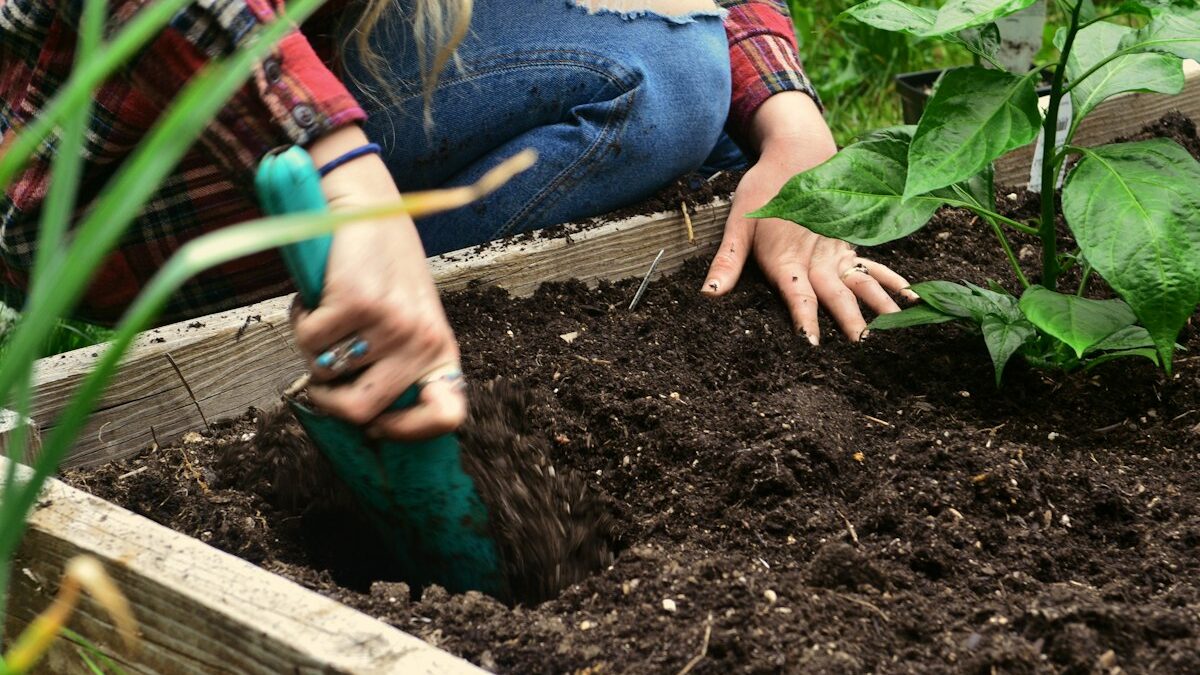
Every spring, the same question shows up in this forum a dozen times a week in a dozen different phrasings: I just built (or bought) a 4x8 raised bed, how much soil do I actually need, and how much is this going to cost me? The honest answer is "more than you think if you fill it with bagged soil from the garden center, less than you think if you blend it," and the only way to answer it for your own bed is to actually do the math instead of guessing and ending up three trips to the store later with a truck full of mulch bags. This is the math, plus the actual shopping list we used to fill a standard 4x8x11 cedar kit this spring, with real prices.
How much soil a 4x8 bed actually needs
A 4-foot by 8-foot bed that's 11 inches tall — the most common kit height — holds 4 × 8 × (11÷12) = 29.3 cubic feet of fill. Round up to 30 to account for settling, because loose fill compacts noticeably in the first few weeks as you water it in. That number is the one piece of math that makes every other decision on this page easier, so write it on the box before you start shopping.
You don't need to fill all 30 cubic feet with bagged garden soil, and you shouldn't try to. The mix that's held up best for us, and the one most experienced growers in this forum land on after a season or two of trial and error, is roughly 75% raised bed soil blend to 25% compost, with a couple of bags of perlite worked in for drainage. That ratio gives you a fill that drains well, holds nutrients, and doesn't compact into something closer to adobe by August.
Supplies
Here's exactly what we bought for one 4x8x11 bed, priced at a mid-size garden center this spring. Your local pricing will vary 10–20%, but the quantities below are the part that actually matters.
- EarthRich Raised Bed Soil Blend, 1.5 cu ft bag15 bags$5.48 ea
- Loam & Co. Bagged Compost, 1 cu ft bag8 bags$4.28 ea
- Perlite, 4 qt bag2 bags$7.98 ea
- GreenPath Organic Starter Fertilizer, 4 lb box1 box$13.98
- 1/4-inch hardware cloth, 3×10 ft roll1 roll$24.97
- Hand trowel1$9.98
Mel's Mix, straight bagged soil, or bulk delivery
There are three realistic ways to fill a bed this size, and the right one depends mostly on how many beds you're filling and whether you own a truck. Mel's Mix — the equal-thirds peat moss, vermiculite, and compost blend from the Square Foot Gardening method — drains beautifully and almost never compacts, but it runs expensive at this scale (vermiculite alone would cost more than our entire list above) and it's genuinely overkill for a single bed growing normal vegetables rather than a dense square-foot grid. Straight bagged raised bed soil, which is what we used, is the middle path: it's pre-blended, reasonably priced per cubic foot, and available at any garden center without planning ahead. Bulk delivery — a cubic yard (27 cubic feet) of blended garden soil dropped in your driveway by a landscape supplier — is cheapest per cubic foot by a wide margin, often half the cost of bagged, but only makes sense once you're filling two or more beds, since most suppliers have minimum delivery quantities and you'll have 20+ extra cubic feet to deal with for a single 4x8.
Three things people forget to buy
- Hardware cloth for the bottom. If your bed sits directly on soil, voles and gophers will tunnel up through an open bottom faster than you'd expect. A $25 roll of 1/4-inch hardware cloth stapled to the underside of the frame before you fill it is the cheapest insurance you'll buy all season.
- A second bag of compost for next spring. Raised beds settle 1–2 inches over their first year as organic matter breaks down. Budget one bag of compost per bed for a spring top-up rather than being surprised by it.
- Something to kneel on. Not a supply cost worth listing, but the number one complaint in the "wish I'd known" threads on this forum is knees, not dirt.
Zone and season: when to fill and plant
If you're building new this year, the fill-and-plant timeline shifts by several weeks depending on your zone. This is the schedule we point people to most often:
| Zone | Fill the bed | First plantings |
|---|---|---|
| 3–4 | Mid-May | Early June (after last frost) |
| 5–6 | Early April | Mid-May |
| 7–8 | Early March | Early-to-mid April |
| 9–10 | Late January | February–March |
Fill a few weeks before you plant if you can. The mix needs at least one good soaking-and-settling cycle, and ideally a couple of weeks of microbial activity, before it's doing its best work for transplants.
Shop the list
- EarthRich Raised Bed Soil Blend1.5 cu ft bag · $5.48Shop soil
- Loam & Co. Bagged Compost1 cu ft bag · $4.28Shop compost
- GreenPath Organic Starter Fertilizer4 lb box · $13.98Shop fertilizer
- 1/4″ Hardware Cloth Roll3×10 ft · $24.97Shop hardware cloth
What we'd do differently
Looking back at the receipt, the only line we'd change is the compost ratio — we'd go 70/30 instead of 75/25 next time, since the extra organic matter made a visible difference in how the bed held moisture through a dry July. Everything else on this list earned its spot. If you're filling more than one bed, price out bulk delivery before you buy a single bag; the math flips in its favor faster than most people expect, usually right around bed number two.